Top News in Tech December 2025
Updated: Jan 20

December 2025 doesn’t feel like a slow end-of-year cooldown for technology, it feels like a pressure valve releasing. Across AI, consumer hardware, geopolitics, and digital culture, the news tech December cycle reveals an industry wrestling with its own consequences. The themes emerging this month are not shiny product launches or flashy promises, but friction: environmental costs, platform power, government intervention, and user fatigue. Technology is no longer asking what’s possible; it’s being forced to answer what’s responsible.
Artificial intelligence sits at the center of this reckoning. Once marketed as invisible, efficient, and abstract, AI is now deeply physical. It consumes water, electricity, land, and political goodwill. At the same time, it shapes how people communicate, consume information, and even perceive reality. The result is a public discourse that’s sharper, more skeptical, and more demanding than in previous years. December’s biggest tech stories reflect that shift clearly.
Streaming giants are being questioned about consolidation and creative control. Social media platforms are experimenting with television-like formats in a bid to reclaim attention from living rooms. Hardware manufacturers are pushing boundaries with foldable and even trifold devices, while quietly embedding AI assistants that users never asked for. Governments are stepping in, freezing or suspending tech agreements that once seemed untouchable. And online communities are openly rebelling against what they call “AI slop” a term that would’ve sounded absurd just two years ago.
This article breaks down the most important tech news of December 2025, not as disconnected headlines, but as signals. Each section explores one major story shaping the industry right now: what happened, why it matters, and what it says about where technology is heading next.
Sitting while on the job? Check out our guide for your posture and how you can avoid back pain!
News Tech December: AI’s Hidden Water Cost Forces a Reality Check
One of the most sobering news tech December stories comes from a deep investigation into AI’s environmental footprint, based on reporting about water use in large-scale AI systems. As detailed in a Wired analysis of AI water consumption, the explosive growth of data centers is quietly straining local water supplies, particularly in drought-prone regions. Training and running massive AI models requires cooling systems that consume millions of gallons of water, a cost rarely disclosed to the public.

What makes this story resonate now is timing. AI adoption has moved from experimental to infrastructural. Governments, hospitals, schools, and corporations depend on it daily. Yet the environmental accounting hasn’t caught up. This revelation reframes AI not as a purely digital innovation, but as an industrial one with physical consequences. December 2025 may be remembered as the moment the AI sustainability conversation became unavoidable.
Netflix Pushes Back on WBD Deal Concerns
Another major news tech December moment comes from the streaming wars. Discovery deal, Netflix is actively defending its strategic position amid fears of over-consolidation in the entertainment industry. Critics worry such deals could reduce competition, limit creative diversity, and further centralize power among a handful of media giants.
Netflix’s response highlights a broader tension in tech-driven media: scale versus sustainability. Streaming platforms need size to survive, but size invites scrutiny. December’s debate shows regulators, creators, and audiences are no longer passive observers. They want transparency around how deals affect pricing, content availability, and long-term innovation. This story underscores how streaming is no longer just entertainment tech it’s infrastructure with cultural impact.
Instagram Reels Moves Toward the Living Room
Social media’s next frontier may be your TV. One of the more surprising news tech developments comes from reports that Instagram is experimenting with a dedicated Reels TV app, as outlined by The Verge. The move signals Meta’s ambition to push short-form video beyond phones and into shared household spaces traditionally dominated by YouTube and streaming services.
This shift reflects changing consumption habits. Vertical video is no longer just a mobile distraction; it’s a primary entertainment format. By bringing Reels to televisions, Instagram is betting that algorithmic discovery can replace scheduled programming. The experiment also raises questions about attention economics: what happens when endlessly scrolling content enters spaces meant for communal viewing? December 2025 shows platforms are willing to reshape environments, not just screens.
News Tech December: LG TVs Quietly Get an Unremovable Copilot App
Few news tech December stories sparked as much unease as the revelation that LG added an unremovable Microsoft Copilot app to its smart TVs. Unlike optional software updates, this AI assistant cannot be deleted, raising immediate concerns about user autonomy, data collection, and consent.
This move highlights a growing trend: hardware manufacturers embedding AI services directly into devices after purchase. Consumers buy a TV expecting stability, not evolving software obligations. December’s backlash suggests trust is becoming a competitive differentiator. As AI assistants spread into homes, cars, and appliances, the line between helpful and invasive is thinning. This story isn’t about one app it’s about who controls the devices we own.
News Tech December: Bluetooth 6.0 Signals a New Era for Wireless Audio

Not all news tech December headlines are controversial, some are quietly transformative. Bluetooth 6.0 reveals meaningful improvements for wireless headphones, including lower latency, better audio synchronization, and enhanced power efficiency. For users, this translates to more reliable connections and improved sound quality, especially for gaming, video, and mixed-device environments.
What makes Bluetooth 6.0 significant is maturity. Wireless audio is no longer a compromise; it’s the default. This update reflects years of refinement rather than radical change, showing how foundational technologies evolve once adoption is universal. December 2025 positions Bluetooth not as a flashy innovation but as dependable infrastructure, an unsung hero of everyday tech experiences.
US Suspends Technology Deal With the UK
Geopolitics collided with innovation in a major news tech December development when reports emerged that the US suspended a technology agreement with the UK. While details remain limited, the suspension highlights how tech partnerships are increasingly tied to national security, data sovereignty, and strategic leverage.
This move signals a broader shift: technology is no longer neutral ground in international relations. AI, semiconductors, and digital infrastructure are now bargaining chips. December 2025 reinforces the idea that tech policy is foreign policy. Companies operating globally must now navigate not just markets, but political fault lines that can disrupt collaboration overnight.
News Tech December: Mapping the Brain at Micron-Level Precision
Among the most awe-inspiring news tech December stories is GeekWire’s coverage of a breakthrough brain wiring diagram that maps neural connections at unprecedented resolution. By charting the brain at the micron level, researchers are unlocking insights into cognition, disease, and artificial intelligence itself.
This work blurs boundaries between neuroscience and computing. Understanding how biological networks function could inform future AI architectures, while AI accelerates brain research in return. December 2025 reminds us that not all tech progress is consumer-facing. Some advances quietly redefine our understanding of what intelligence artificial or human truly is.
News Tech December: Samsung Raises the Foldable Stakes With a Trifold
Samsung made hardware headlines in news tech December with reports of a Galaxy Z trifold device. Moving beyond foldable phones to trifold designs suggests manufacturers are still searching for the next dominant form factor.
The trifold concept reflects ambition and uncertainty in equal measure. Smartphones are mature, and innovation must now justify itself through new use cases. December 2025 shows hardware companies betting that flexibility, multitasking, and hybrid device experiences can reignite excitement. Whether consumers follow remains the open question.
News Tech December: AI Slop and the Collapse of Online Trust
A raw news tech December moment comes not from a publication, but from Reddit, where users argue that “AI slop” has flooded social media with low-quality, repetitive content. The discussion captures a growing cultural fatigue with algorithmically generated noise overwhelming genuine human expression.

This backlash matters because it reflects a shift in user values. Engagement metrics alone are no longer enough. People want authenticity, context, and meaning. December 2025 suggests platforms that fail to address content quality may face erosion of trust, a currency more valuable than clicks.
News Tech December: Drones Turn Tetris Into a Skybound Spectacle
Ending the month on a lighter note, news tech December includes a stunning spectacle: over 2,800 drones creating a playable Tetris game in the sky above Dubai. The event blends entertainment, engineering, and art into a shared public experience.
This story highlights how technology can still inspire wonder. Drone choreography, once experimental, is now precise enough to recreate interactive games in midair. December 2025 reminds us that innovation isn’t only about utility, sometimes it’s about joy, imagination, and collective awe.
In Conclusion, What News Tech December 2025 Tells Us About the Future
Looking across the news tech December 2025 landscape, a clear narrative emerges: technology is growing up. The industry is being forced to confront its physical footprint, its cultural influence, and its political power. The stories that defined this month weren’t about faster chips or marginal upgrades, they were about responsibility, trust, and consequence.
AI’s water usage exposes hidden costs. Streaming consolidation raises questions about creativity and control. Embedded assistants challenge ownership. Governments assert authority. Users push back against low-quality automation. Even joyful spectacles like drone shows reflect how advanced and visible technology has become.
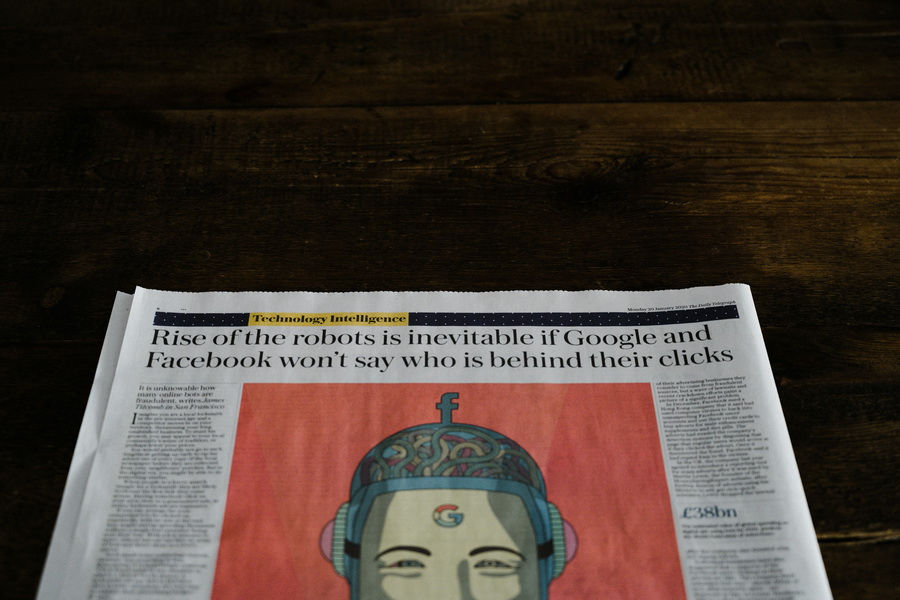
What unites these developments is accountability. December 2025 feels like a checkpoint where blind optimism gives way to informed skepticism. That’s not a bad thing. Mature industries benefit from scrutiny. Innovation thrives when guided by ethics, transparency, and user trust.
For tech enthusiasts, this moment is exciting precisely because it’s complex. The future isn’t just about what technology can do, but what it should do. As we move into 2026, the questions raised this December will shape product design, regulation, and public perception for years to come.
Technology hasn’t slowed down, it’s being asked to grow wiser. And that may be the most important upgrade of all.
AI Summary (Google-friendly)
December 2025 tech news highlights AI’s environmental impact, platform power shifts, hardware innovation, geopolitical tech tensions, and rising user demand for trust and quality.
Comments